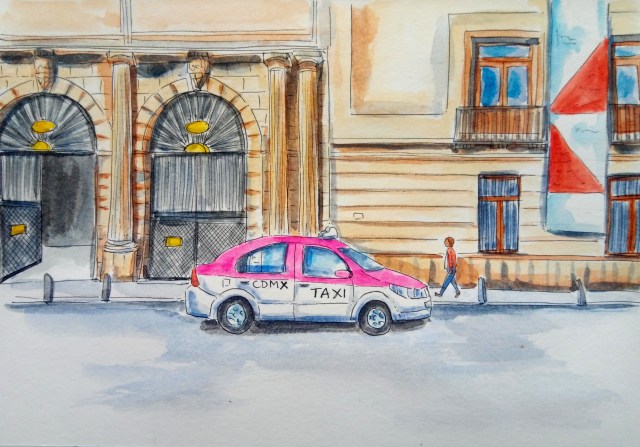
Another snapshot. Just opposite of Munal (Museo Nacional de Arte) in Mexico City.
I´m trying to be less lazy and put more details into the drawings. I don´t like drawing buildings or urban sketching I realised. So I consider this a good exercise to get back into it and work on perspectives and on my patience.
The days are getting shorter and more stormy here, so it is nice to revisit Mexico by drawing it. Another page filled in my travel sketchbook.
In front of the Museo Nacional de Artes in Mexcio City after visiting the Caravaggio exhibition. The museum is housed in a neoclassical building and the building itself is quite stunning. Who has been there?
In front of the museum is a large equestrian statue by Manuel Tolsá of Charles IV of Spain, who was the monarch just before Mexico gained its independence.
A rather lazy drawing. The perspectives are all off. Oh well. The drawing of the CDMX sign turned out much better I think. But I definitely need to work on those perspectives!
But otherwise this is a lovely Mexico installation in the centre of Mexico city.
I went to a Caravaggio exhibition at the Museo Nacional de Artes in Mexico City back in spring 2018.
I have to admit that I was a little bit disappointed (maybe also my fault as I did not look at the information properly), but they only had one painting by Caravaggio. The rest of the exhibit was about him in form of a multimedia show and artworks by other artists that got inspired by him.
Nevertheless, I learned a lot about his style and especially his use of light and shadow. The museum in general was definitely worth a visit, as it is in a stunning building. Especially the permanent exhibition was great. That´s where I spotted the little horses from yesterday.
Below my impression of the only painting by Caravaggio at the exhibition.
I am not sure at which museum I saw these little horse by the Mexican sculptor Olivero Martínez. I think it was at the Museo Nacional de Arte in the center of Mexico City.
I thought they were absolutely beautiful. Each horse is made from a different material, ranging from marble to bronze and stone.
I fell in love with Mexico because of its contrasts and colours. Especially in Mexico City you encounter so many different people. These fancy dressed girls on Avenida Horacio in Polanco, looked ready to hit one of those upscale restaurants you can find here.
I just went to that barrio for lunch and a stroll. Most of the places are way out of my budget.
I have been thinking a lot about Mexico lately. My last trip was in 2018! Time flies indeed! I realized that I never finished my Mexico album. So I decided to revisit it an keep filling the remaining 30+ pages.
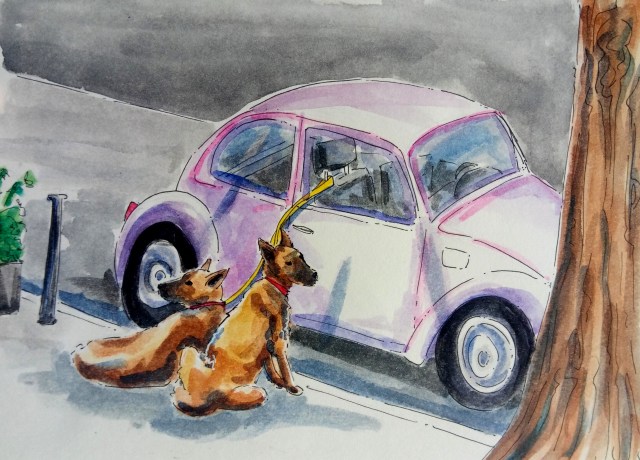
Saw these guys standing at a street corner in Polanco, Mexico City, during my stay in spring 2018.
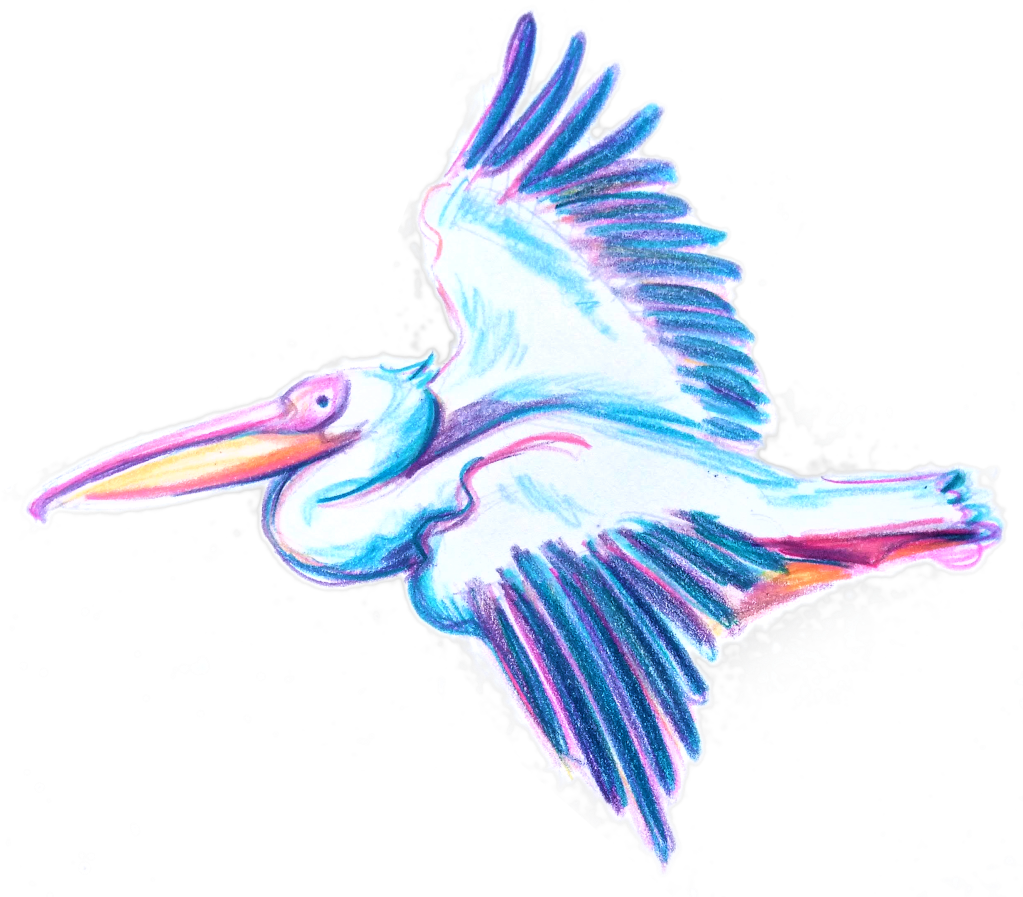
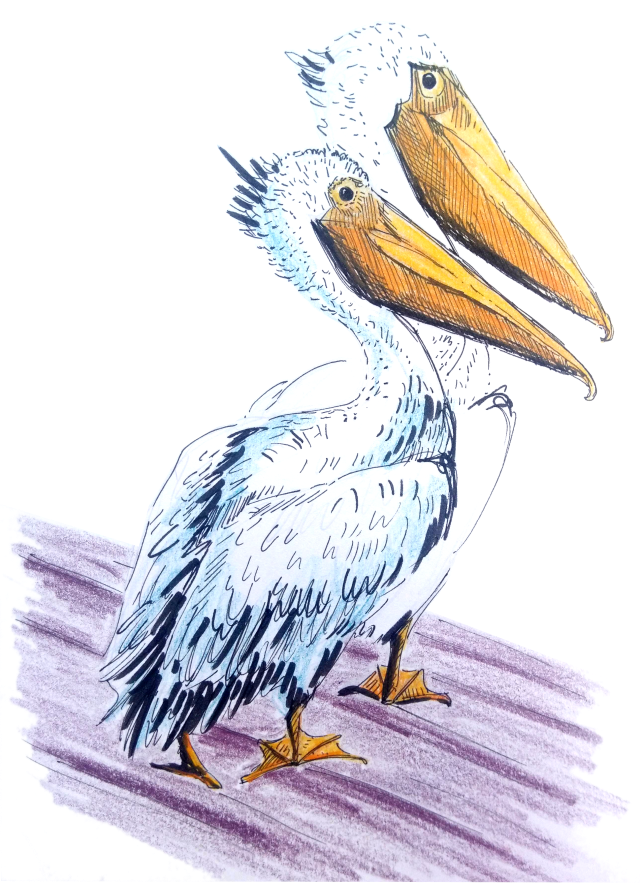
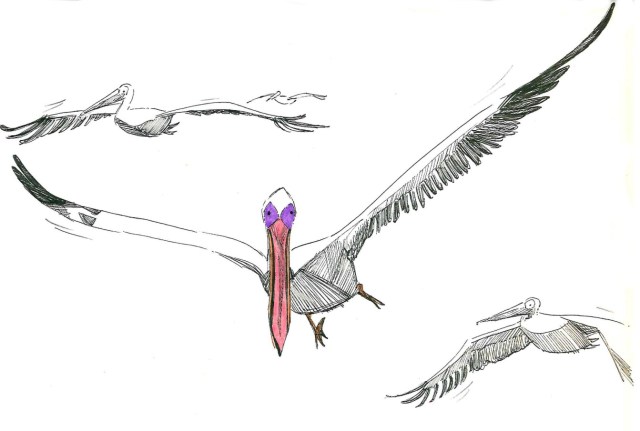
Start of a new week. The pelican series will come to an end soon. As soon as I finish my pelican book!
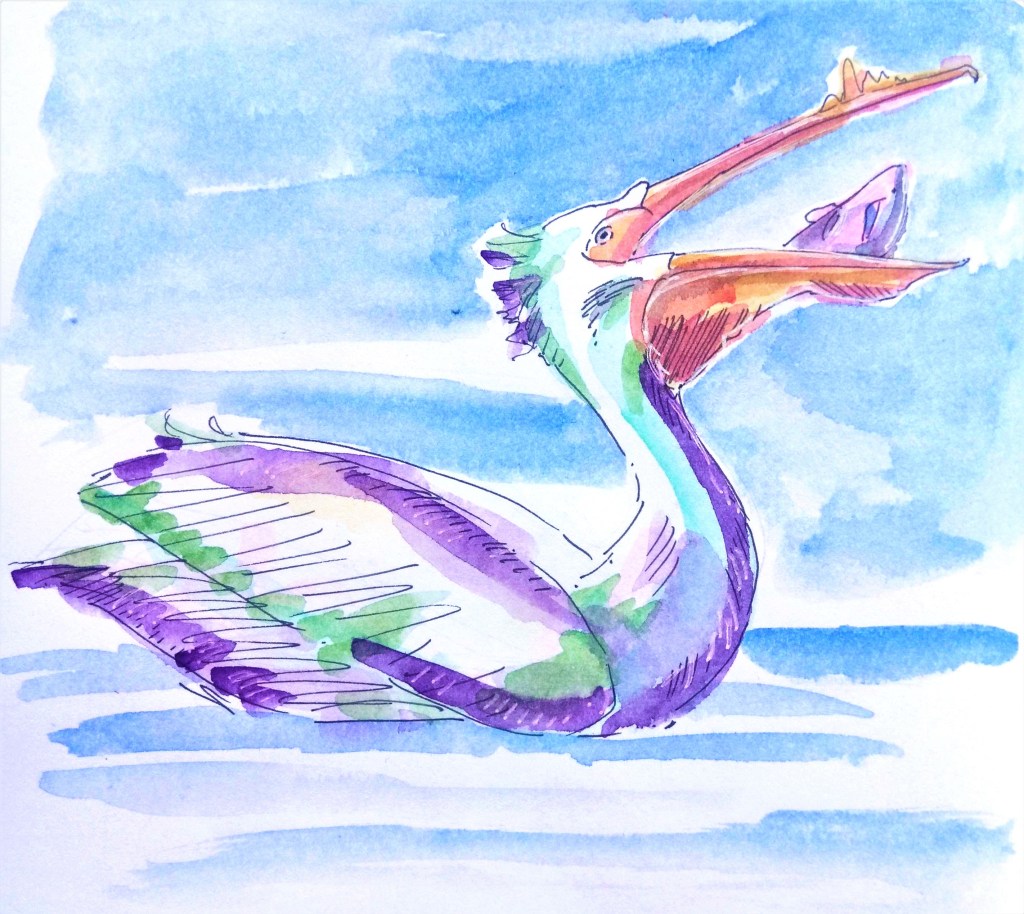
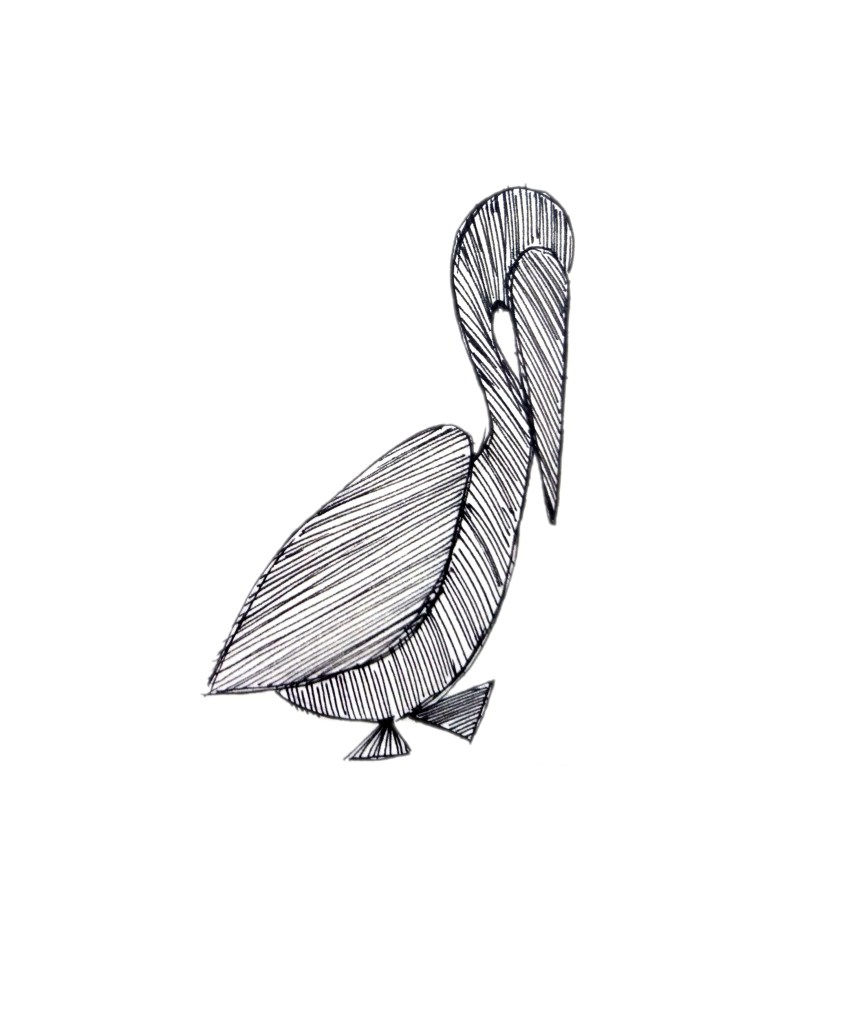
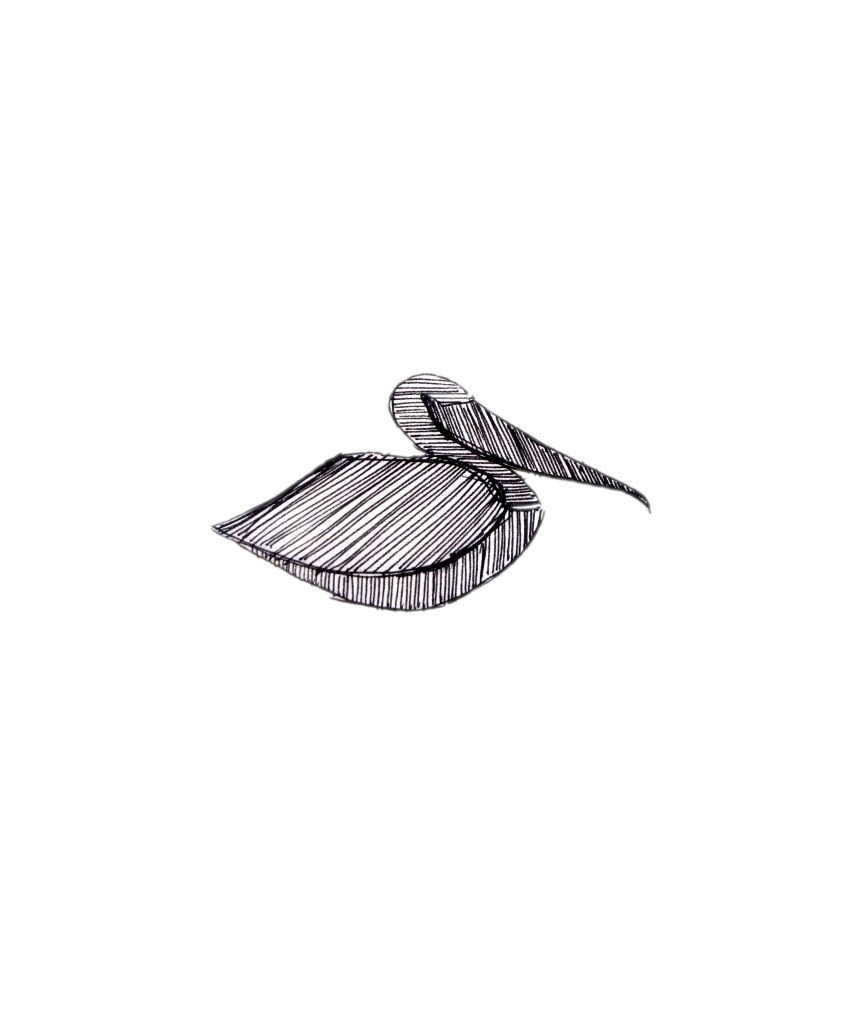
I realized after drawing the pelican above that I have drawn him before. See below.
5 years are between both drawings. Which one do you prefer? I remember that the one below took me ages to finish. The one above was pretty much a 10 min sketch!
As the weather forecast is fantastic for the next couple of days, I will be off to a hiking trip in the Icelandic highlands. I also promise that the pelican series will come to an end soon. Latest when Inktober starts!
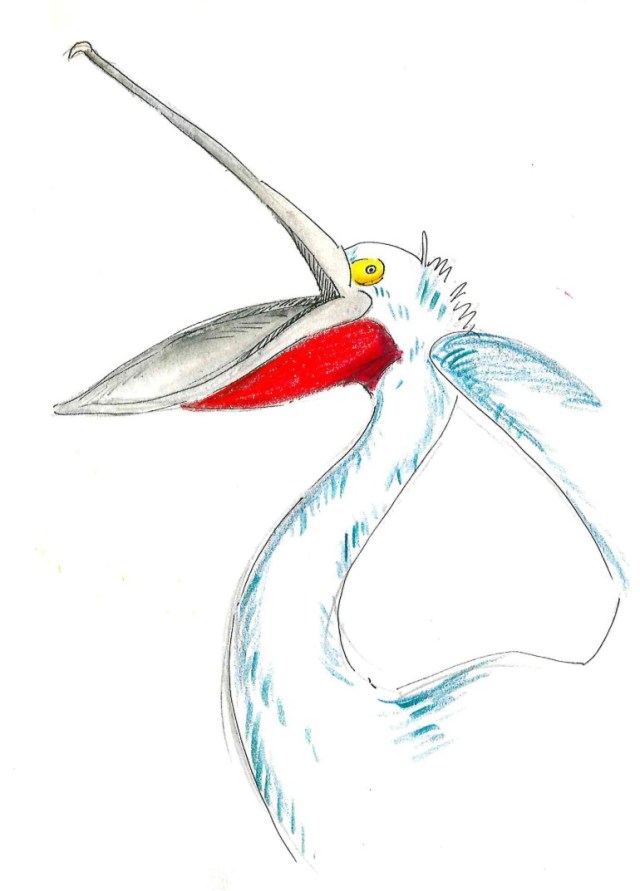
They will take large amount of water together with the fish they catch. But before swallowing the fish, they move their heads forward to remove excess water.
Although not being considered dangerous, pelicans are quite big and you wouldn´t want to mess with them!
The diet of pelicans usually consists of fish,but occasionally amphibians, turtles, crustaceans, insects, birds, and mammals are also eaten. The size of the preferred prey fish varies depending on pelican species and location. Apparently pelicans have even been observed eating smaller birds, sometimes scooping up water in order to drown them before swallowing.
An adult pelican may eat up to 1.8 kilograms of fish per day!
The brown pelican is a keen-eyed predator that can spot a fish swimming under the ocean’s surface even while flying almost 20 m above.
Its bigger cousin, the Peruvian pelican, also has great vision. Once a target has been spotted from above, the pelicans plunge into the sea bill-first at high speeds—and often from great height. When they collide with the prey, the impact force usually stuns the victim and it is then scooped up in the pouch.














 Melanie Franz