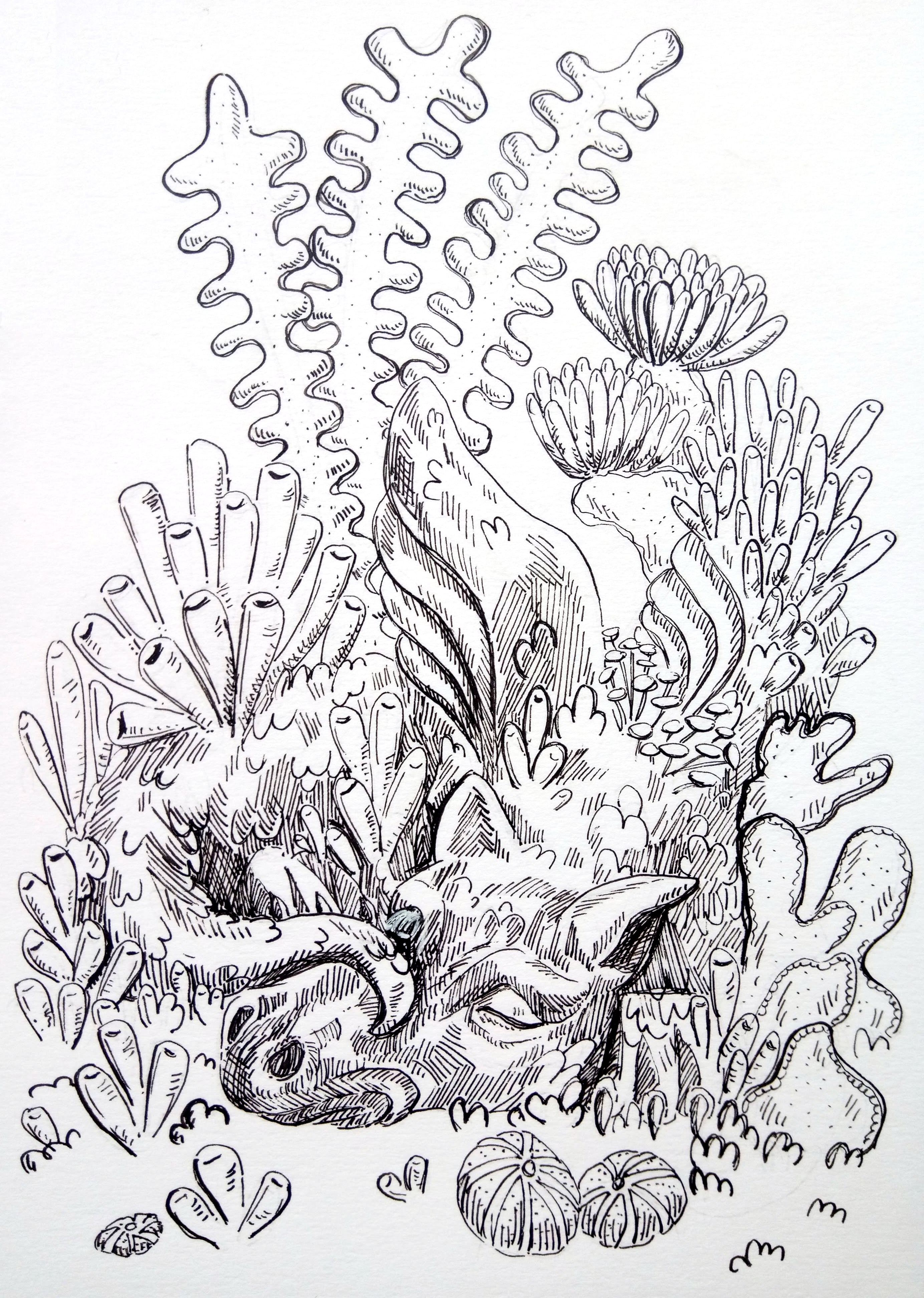
I am stuck with the sleeping dragon…

I am stuck with the sleeping dragon…
Dragons can sleep for a long time sometimes.
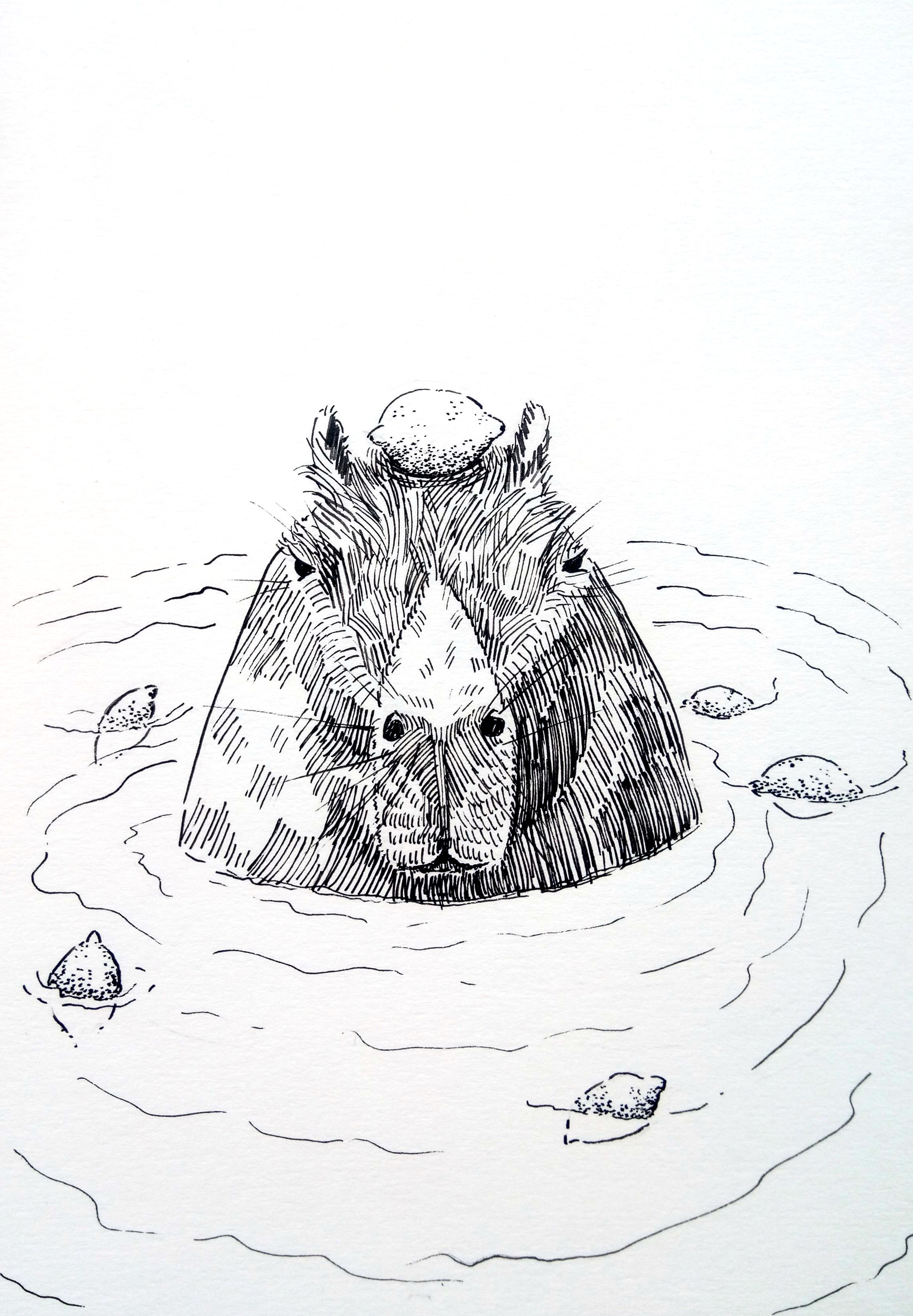
A drunk capybara. What else?

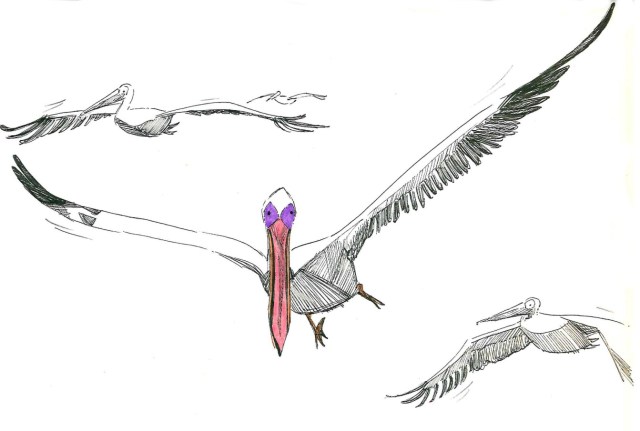
The pelicans are back!

Inspired by Mr Foxes balloon trip which started back in January, he now made his way to this remote outpost up in the sky. Followed by Mr Mouse of course.
Where is your journey taking you this weekend?

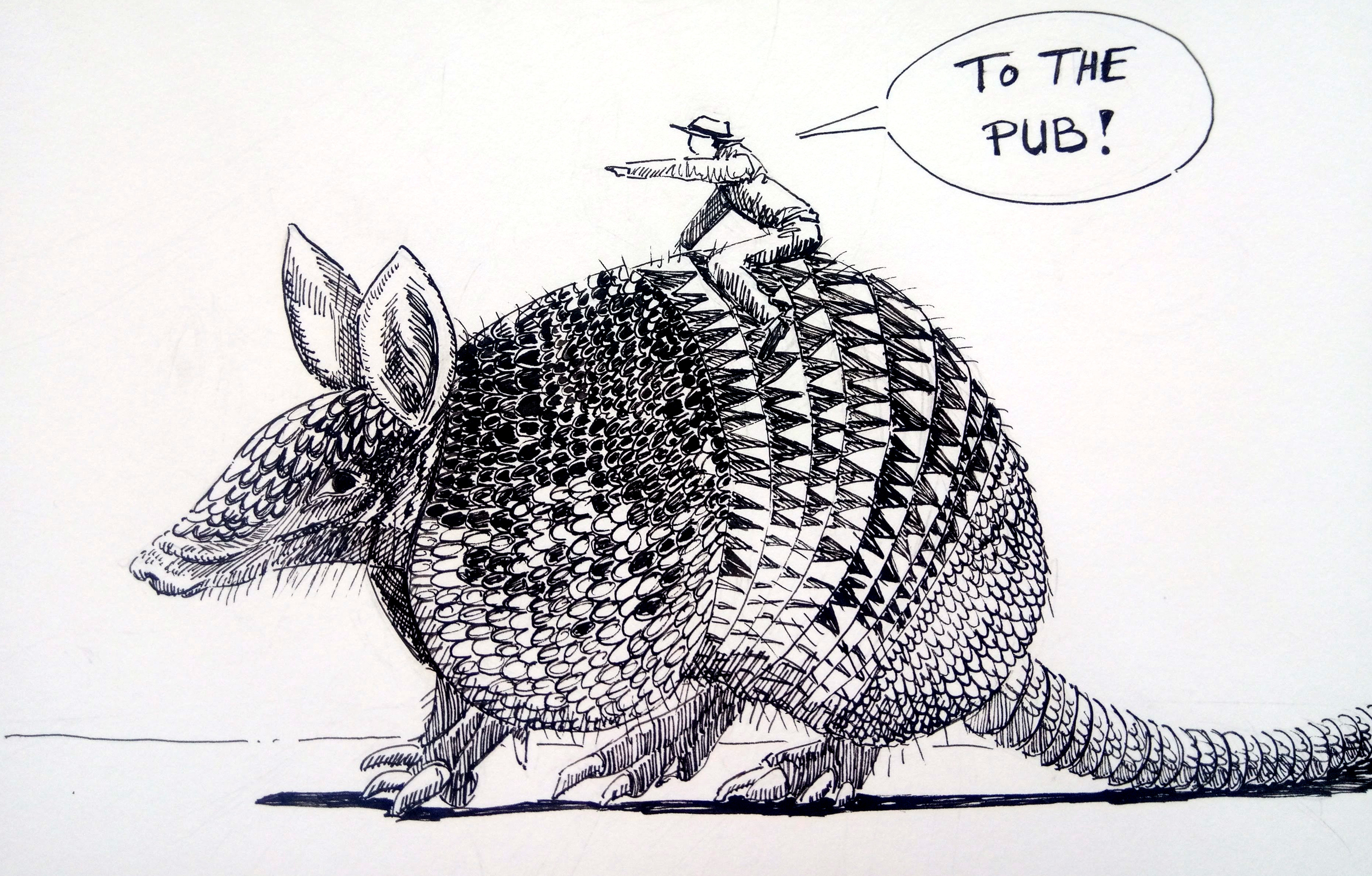
Armadillos meaning “little armoured ones” in Spanish have a pretty impressive armour.
Did you know that the giant armadillo sleeps about 18 hours a day?
When life gives you lemons…
A capybara – biggest rodent in the world – taking a swim. These impressive semi-aquatic mammals are found throughout much of northern and central South America.
I want to listen to the radio….
Somehow Mr Fox sneaked back into the picture…

Woop! Here I was waiting all September for Inktober to start and then the month started without me noticing!
I haven´t touched my ink and pen since January. I totally forgot how much fun it is and it was surprisingly easy to get back into it. Certainly easier than the previous years. I´m going to follow the official prompt list again and maybe something else… Let´s see what happens.
Just follow the light…
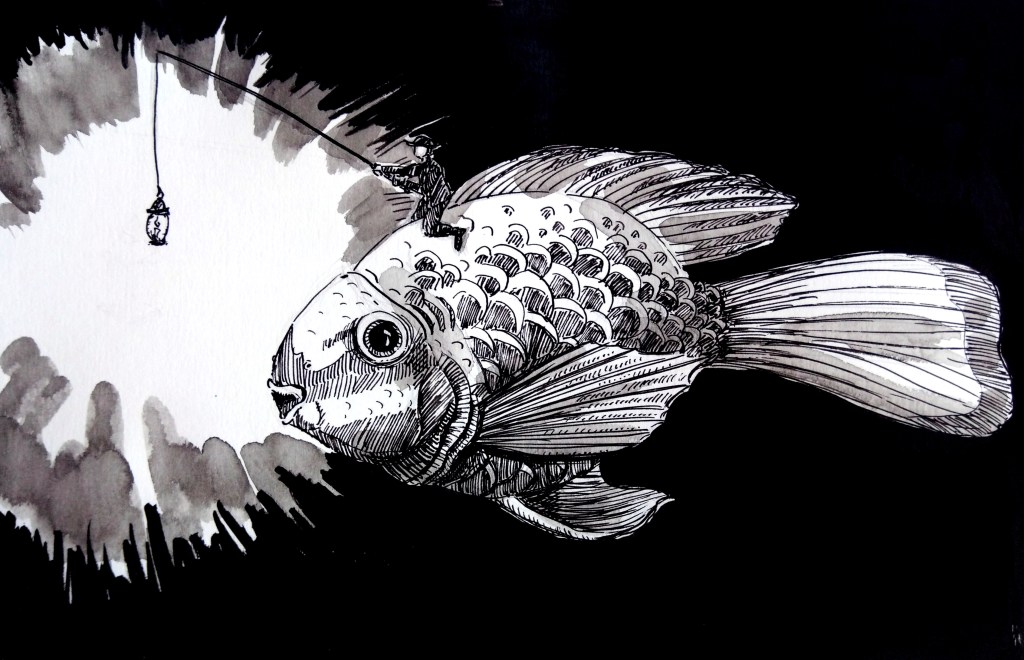
Continuing with my Mexico travel sketch book…
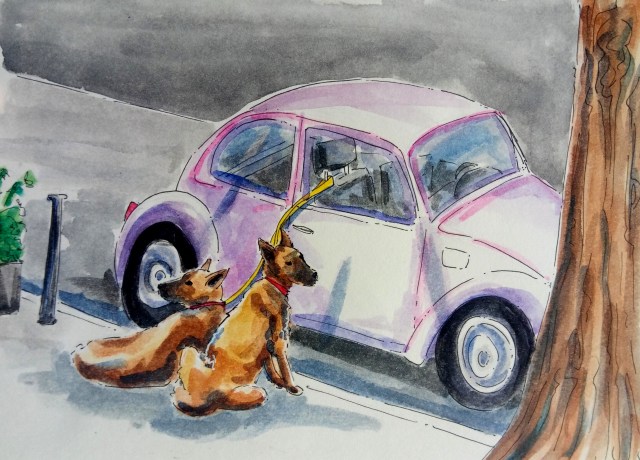
Saw these two patiently waiting in front of a bar on a night out in Roma in Mexico City. What better car theft protection than that?
I am not sure at which museum I saw these little horse by the Mexican sculptor Olivero Martínez. I think it was at the Museo Nacional de Arte in the center of Mexico City.
I thought they were absolutely beautiful. Each horse is made from a different material, ranging from marble to bronze and stone.

Start of a new week. The pelican series will come to an end soon. As soon as I finish my pelican book!
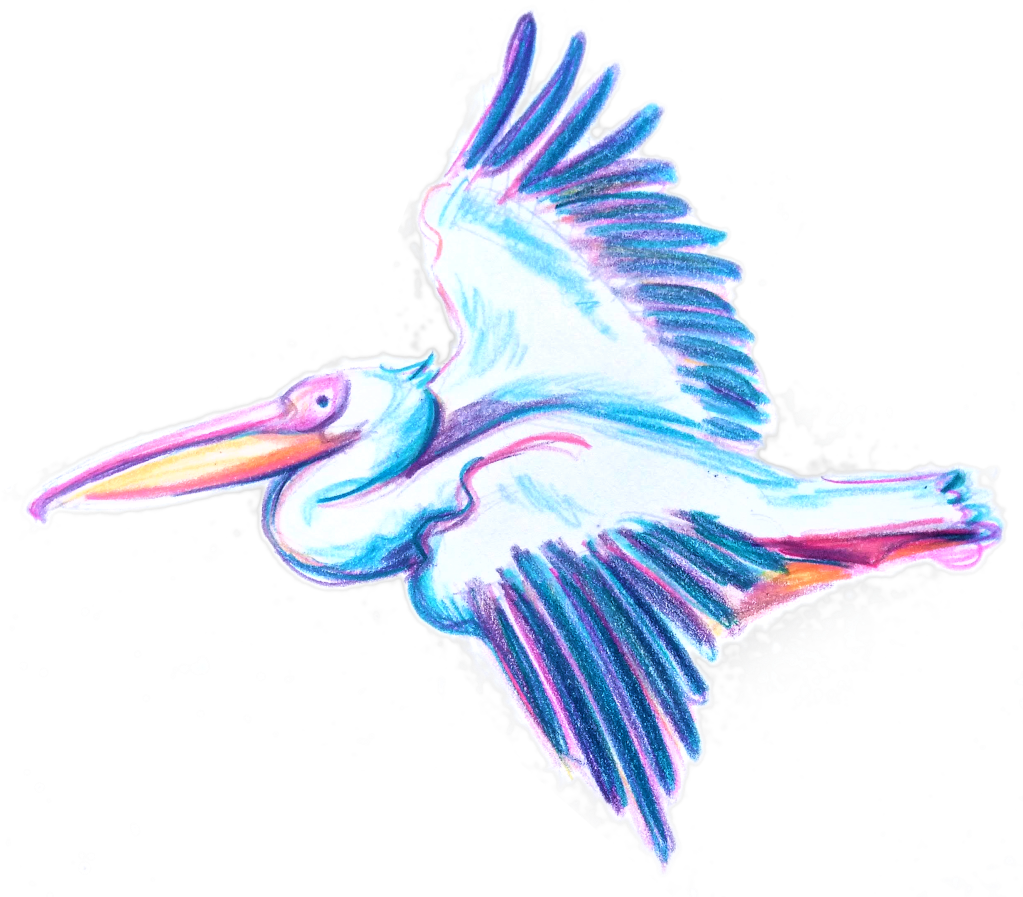
I realized after drawing the pelican above that I have drawn him before. See below.
5 years are between both drawings. Which one do you prefer? I remember that the one below took me ages to finish. The one above was pretty much a 10 min sketch!

Pelicans can eat 4 pounds of fish per day.
They will take large amount of water together with the fish they catch. But before swallowing the fish, they move their heads forward to remove excess water.
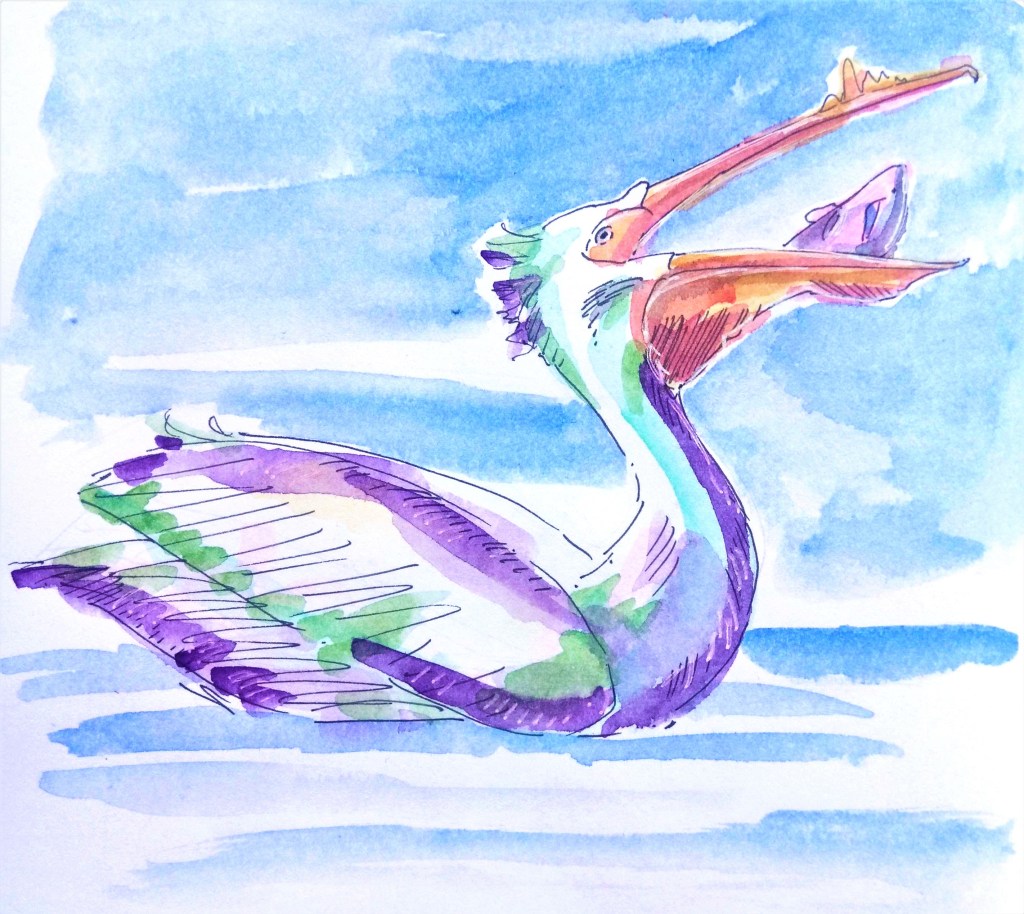
It has been raining almost non stop for 9 days now… wondering how the sun looks like….
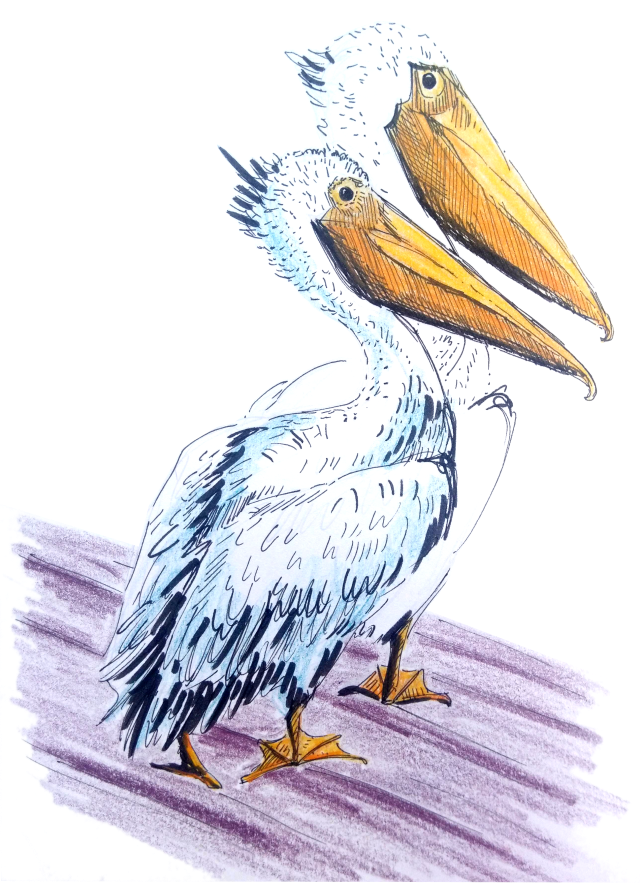
Off to the countryside to barbecue some fish. We not gonna catch it ourselves, that is too much work. But the eating part, we certainly can do.
Colourwise this pelican is one of my favourites so far. What do you think?
Happy weekend everyone!

A lone swimmer…

No, I have not gone pelican mad. But I still enjoy drawing them.
Find the odd one out of this group!

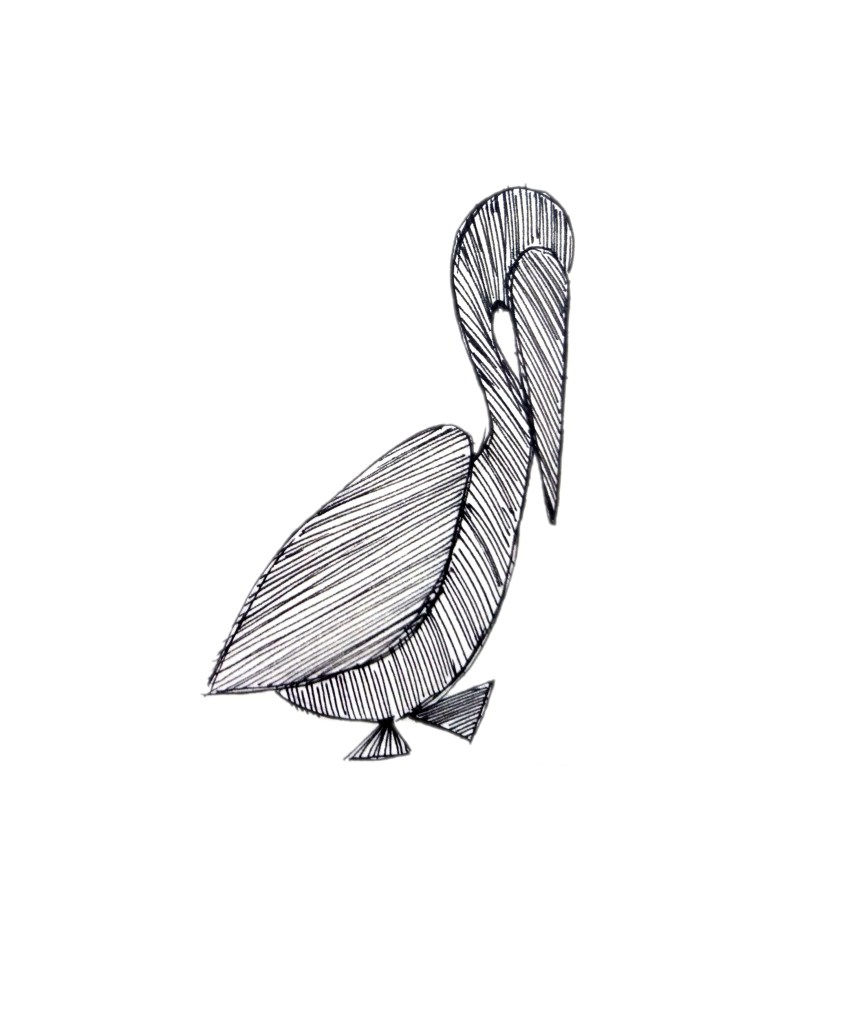

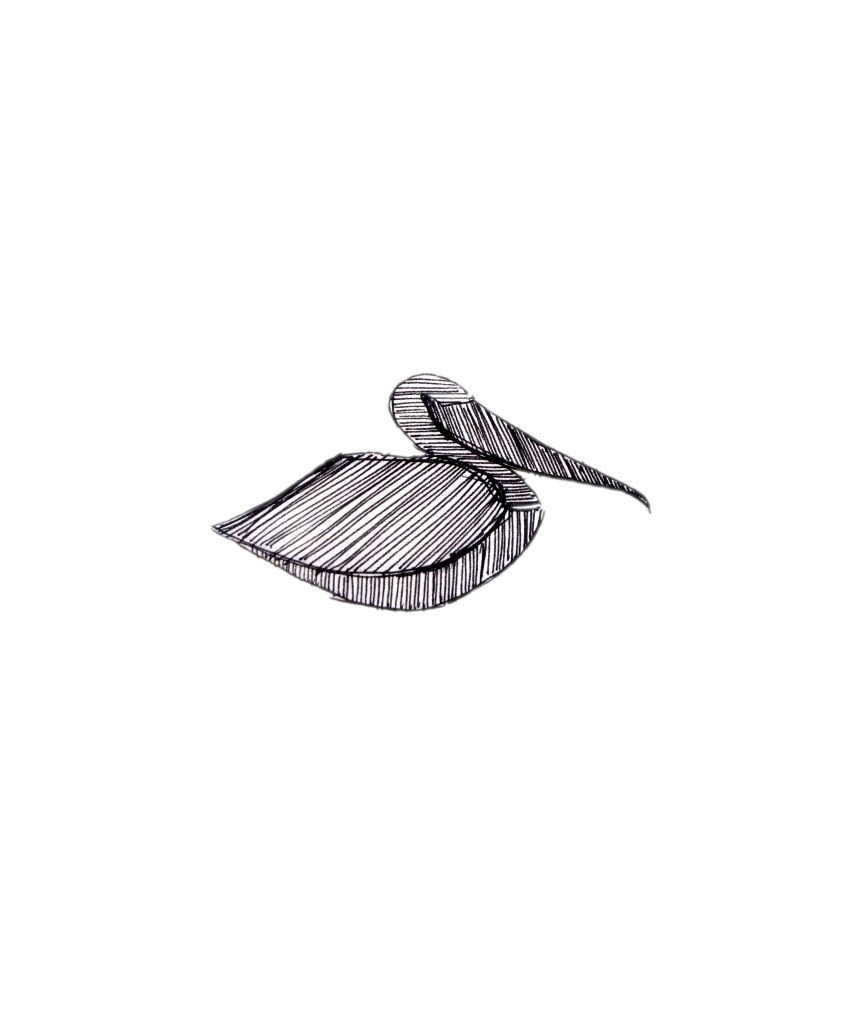
… or is he just hungry? I am not sure. What do you think?
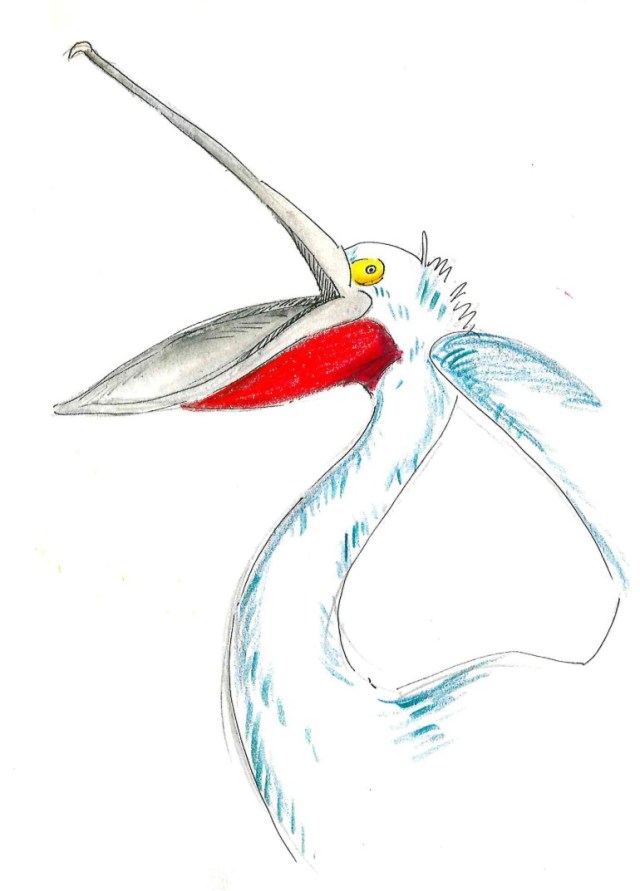
Although not being considered dangerous, pelicans are quite big and you wouldn´t want to mess with them!
The diet of pelicans usually consists of fish, but occasionally amphibians, turtles, crustaceans, insects, birds, and mammals are also eaten. The size of the preferred prey fish varies depending on pelican species and location. Apparently pelicans have even been observed eating smaller birds, sometimes scooping up water in order to drown them before swallowing.

Did you know that pelicans fly at an average speed of 25 km/h but they have been record with top speed of up to 65 km/h?
Their wing span ranges from 183 cm – 350 cm depending on the species. So yes, they are quite massive and you rather don´t mess with them.
Have a great weekend everyone!