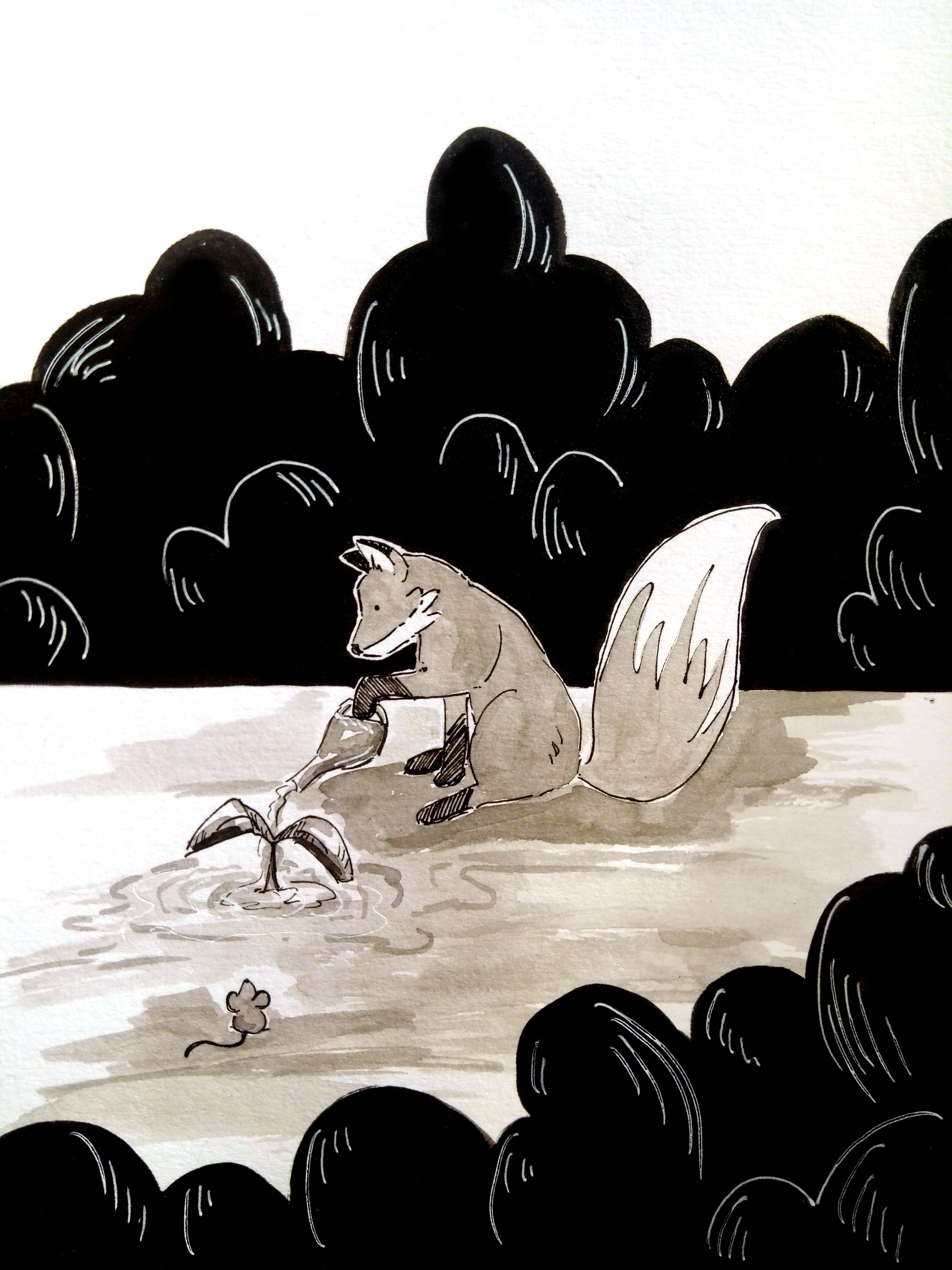
Mr Fox on a deep dive sea adventure…

Mr Fox on a deep dive sea adventure…
Hope this will grow into a huge beanstalk….
Fly me to the moon….

Time flies when you are having fun. Weather has been gorgeous and I have been out hiking and took a dip in a crystal clear river with refreshing 2 degree Celsius today. Nothing makes you feel more alive than that!
Meanwhile Mr Fox got all fancy with Mr Mouse, and showed his teeth for a photo.

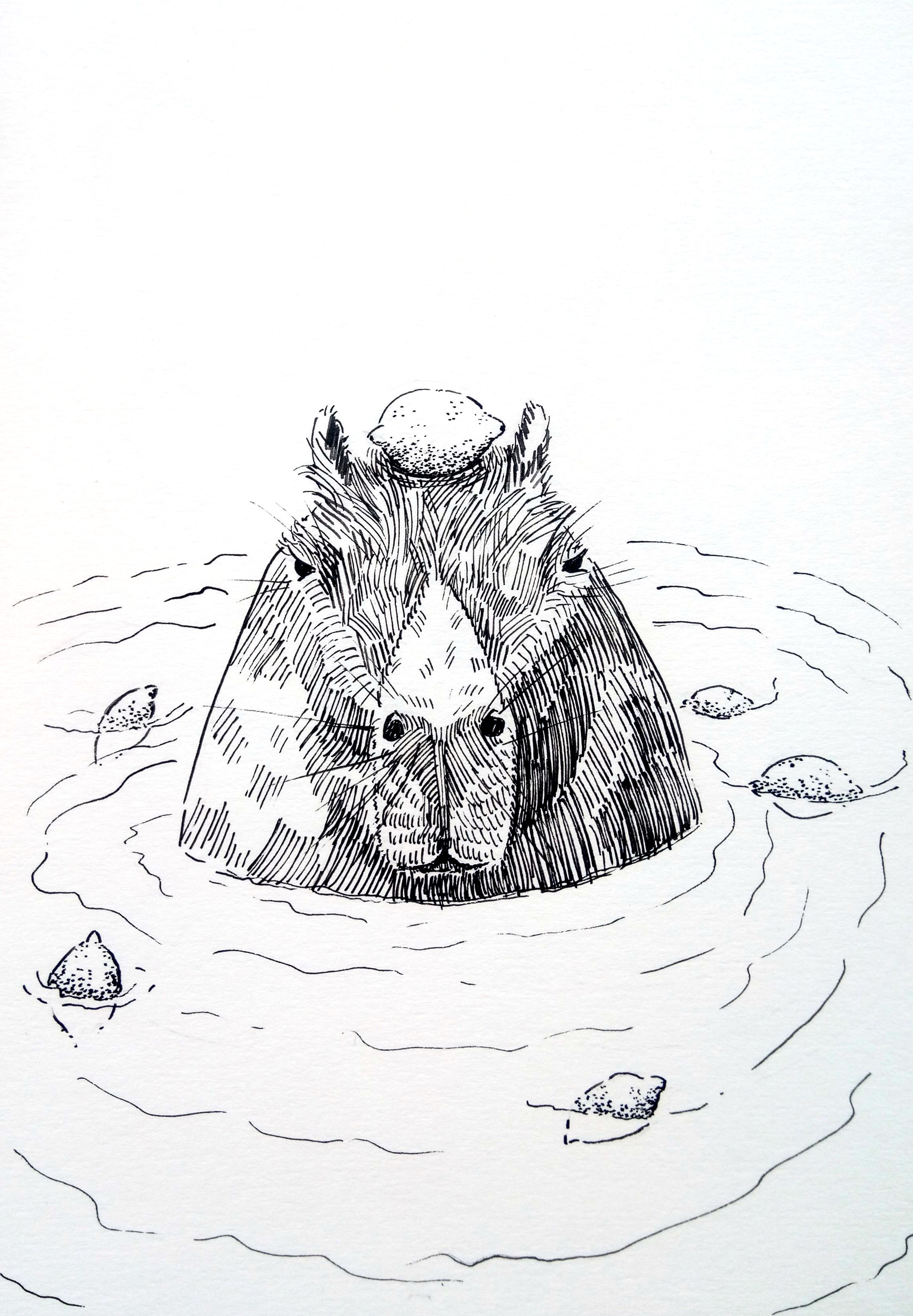
When life gives you lemons…
A capybara – biggest rodent in the world – taking a swim. These impressive semi-aquatic mammals are found throughout much of northern and central South America.
It took me a while to figure this one out. And I am not sure where the idea came from in the end. Maybe my need for sun and the beach?
Mr Fox went snorkelling today to look for a precious sea shell.

I want to listen to the radio….
Somehow Mr Fox sneaked back into the picture…

Went on my first multi-day hike this summer in the Icelandic highlands. 5 days, ca 75 km in total, with tent and food and all. The weather was perfect to say the least. We met almost no people along the way and the scenery was breathtaking.
My backpack was also rather bulky because of the survival sleeping bag I had with me, taking up a good amount of space. All in all the hike was amazing and I am up for another one next summer!

Revisited Mr Fox for the prompt for day 2. Remember him?
Mr Fox met his friend the dragon on his wanderings in the forest. They spent the evening sharing stories next to a fireplace until they got tired and settled down for the night.

Woop! Here I was waiting all September for Inktober to start and then the month started without me noticing!
I haven´t touched my ink and pen since January. I totally forgot how much fun it is and it was surprisingly easy to get back into it. Certainly easier than the previous years. I´m going to follow the official prompt list again and maybe something else… Let´s see what happens.
Just follow the light…
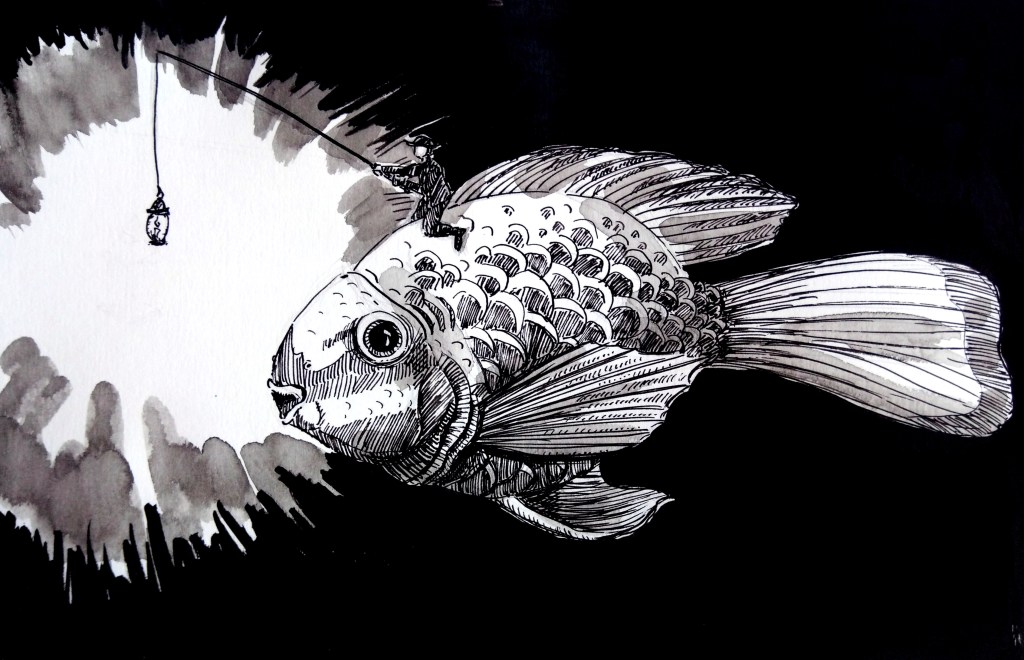
I went to a Caravaggio exhibition at the Museo Nacional de Artes in Mexico City back in spring 2018.
I have to admit that I was a little bit disappointed (maybe also my fault as I did not look at the information properly), but they only had one painting by Caravaggio. The rest of the exhibit was about him in form of a multimedia show and artworks by other artists that got inspired by him.
Nevertheless, I learned a lot about his style and especially his use of light and shadow. The museum in general was definitely worth a visit, as it is in a stunning building. Especially the permanent exhibition was great. That´s where I spotted the little horses from yesterday.
Below my impression of the only painting by Caravaggio at the exhibition.

I fell in love with Mexico because of its contrasts and colours. Especially in Mexico City you encounter so many different people. These fancy dressed girls on Avenida Horacio in Polanco, looked ready to hit one of those upscale restaurants you can find here.
I just went to that barrio for lunch and a stroll. Most of the places are way out of my budget.

Time to take a small break from my pelicans.
I have been thinking a lot about Mexico lately. My last trip was in 2018! Time flies indeed! I realized that I never finished my Mexico album. So I decided to revisit it an keep filling the remaining 30+ pages.
Saw these guys standing at a street corner in Polanco, Mexico City, during my stay in spring 2018.

Start of a new week. The pelican series will come to an end soon. As soon as I finish my pelican book!
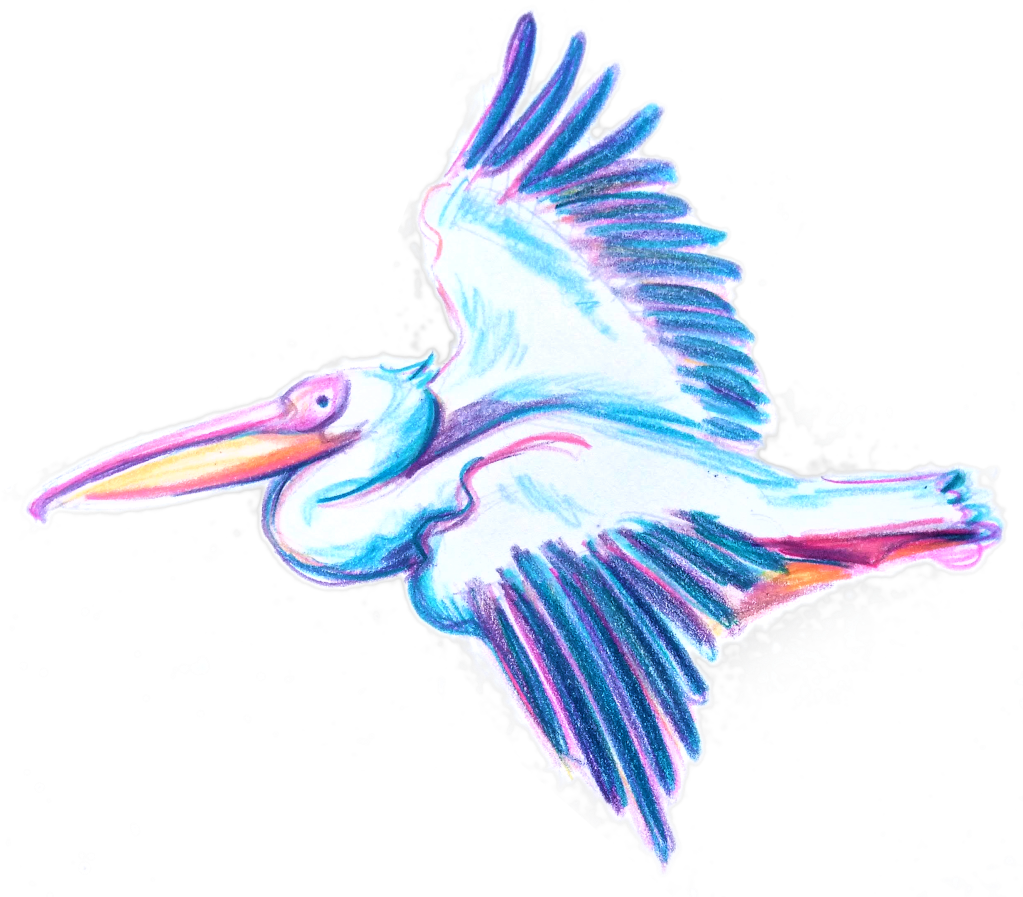
I realized after drawing the pelican above that I have drawn him before. See below.
5 years are between both drawings. Which one do you prefer? I remember that the one below took me ages to finish. The one above was pretty much a 10 min sketch!

So this week once again just flew by quickly.
As the weather forecast is fantastic for the next couple of days, I will be off to a hiking trip in the Icelandic highlands. I also promise that the pelican series will come to an end soon. Latest when Inktober starts!
Have a great weekend everyone!

When you are thinking about your next dinner….
My favourite fish is salmon. What is yours?

Pelicans can eat 4 pounds of fish per day.
They will take large amount of water together with the fish they catch. But before swallowing the fish, they move their heads forward to remove excess water.
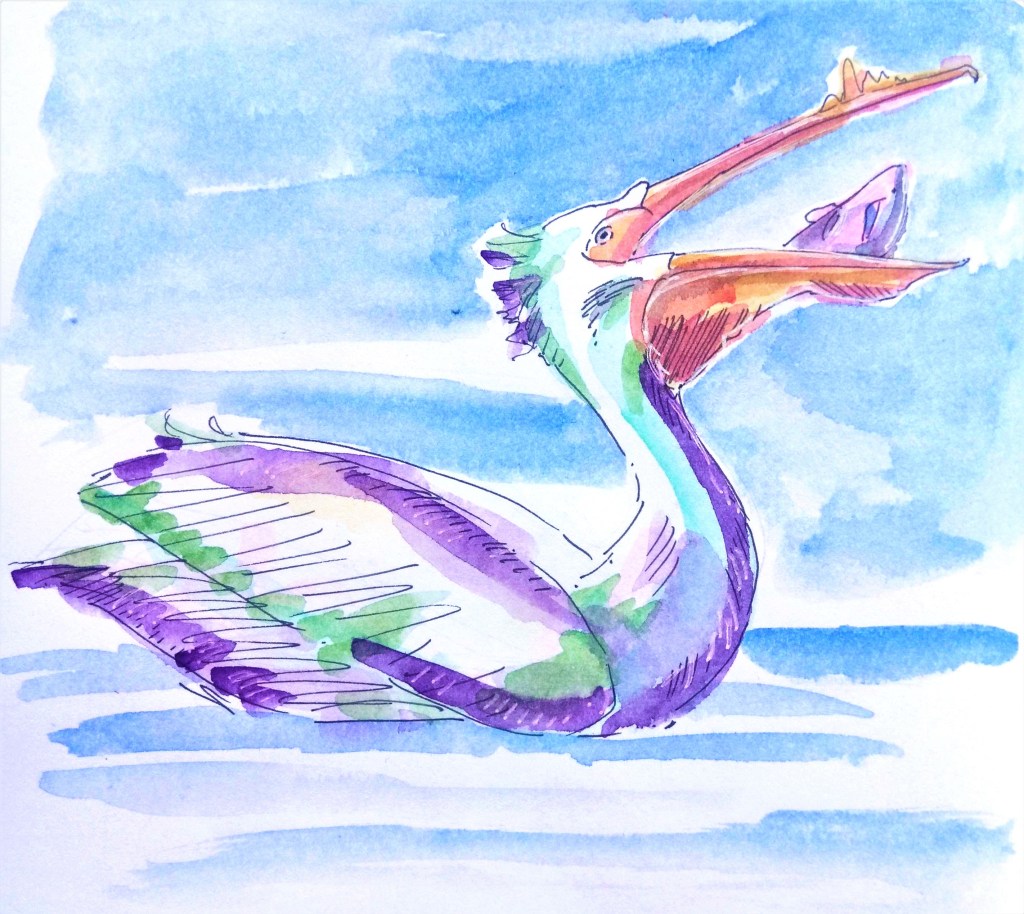
It has been raining almost non stop for 9 days now… wondering how the sun looks like….
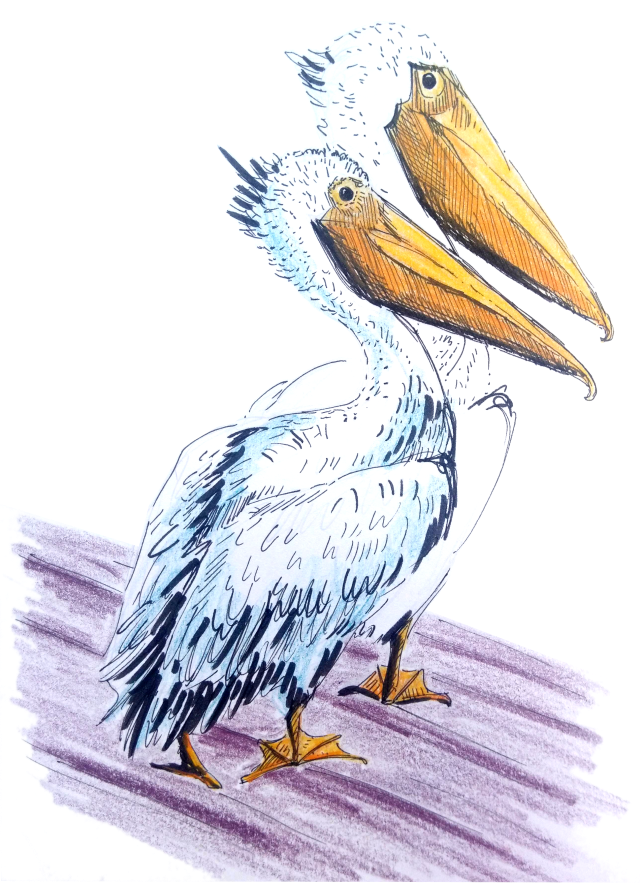
Off to the countryside to barbecue some fish. We not gonna catch it ourselves, that is too much work. But the eating part, we certainly can do.
Colourwise this pelican is one of my favourites so far. What do you think?
Happy weekend everyone!

A lone swimmer…


